Carve Your Own Path Blog
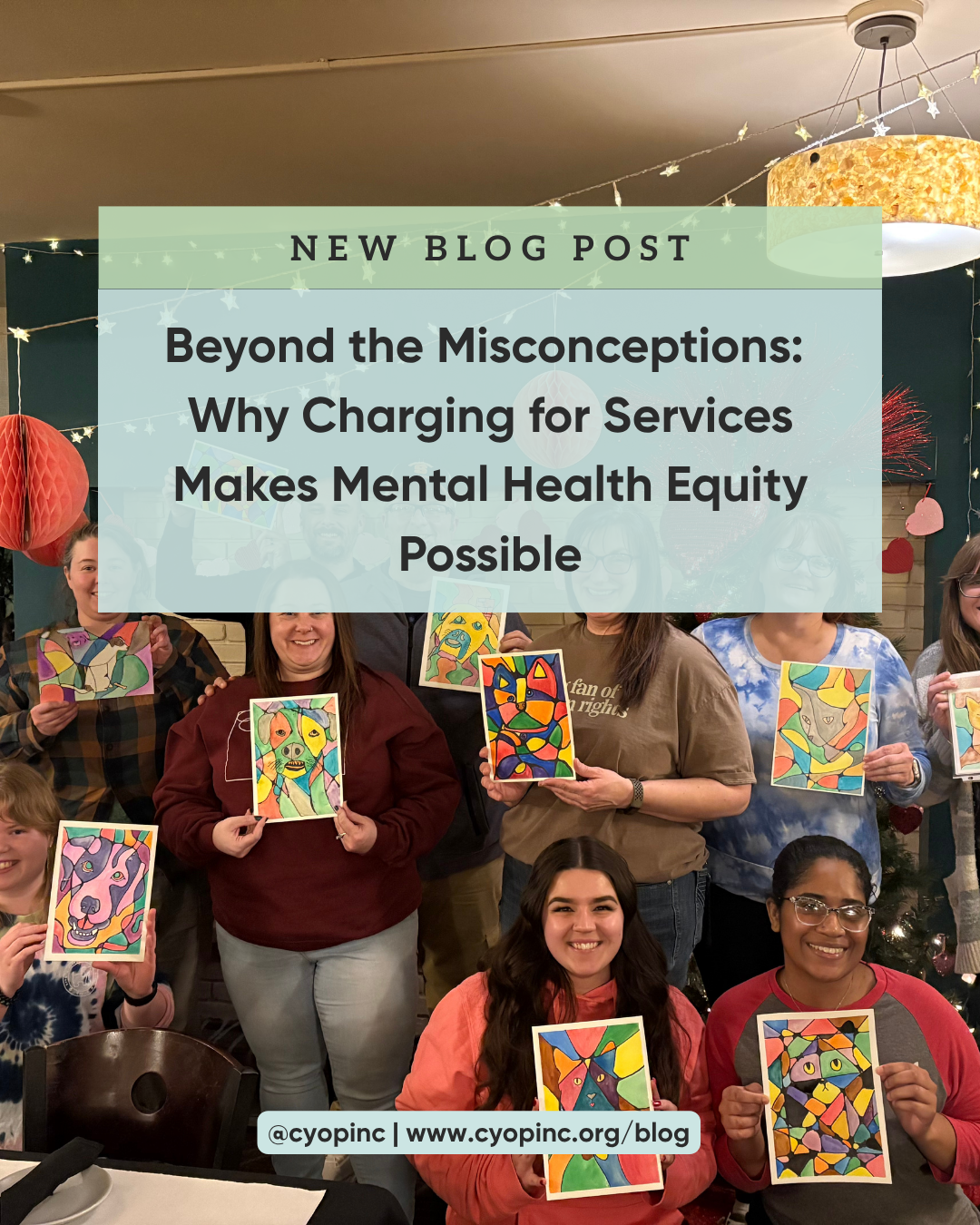
Beyond the Misconceptions: Why Charging for Services Makes Mental Health Equity Possible
Many assume non-profits rely entirely on grants or donations, but nationwide research shows that earned income makes up over 70% of non-profit revenue. Learn how Carve Your Own Path uses fee-for-service care and community workshops to fund our sliding scale and drive local mental health equity in greater Summit County and beyond.
How LGBTQ+ Representation Shapes Identity and Social Work Practice
Representation is about more than just checking a box. MSW intern Tioluwalse Agbebi explores how inclusive media provides vital validation for LGBTQ+ youth. Discover why seeing authentic narratives is a necessity for identity development and how it informs human centered social work practice.
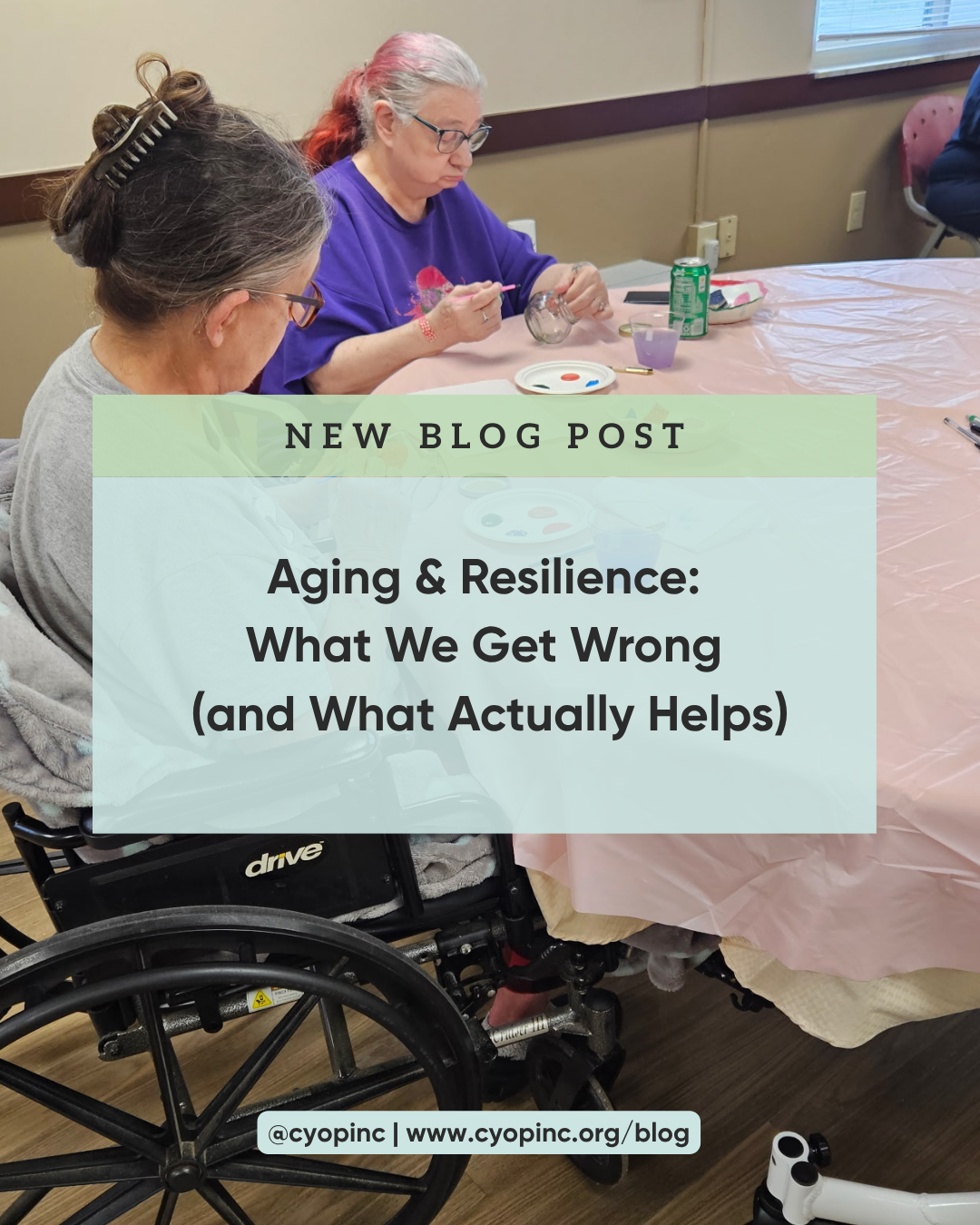
Aging & Resilience: What We Get Wrong (and What Actually Helps)
Aging is often framed as a narrative of decline, but there is a much more resilient story to be told. Based on insights from the American Society on Aging, BSW intern Molly Gilreath explores why we need to shift our focus from "fixing" symptoms to celebrating the strengths, values, and surprising life satisfaction found in our later years.
Anxiety and Depression in Young Adults: A Social Work and Community Perspective
Young adulthood is a season of massive transition, but it often comes with a heavy emotional toll. Explore the latest statistics on anxiety and depression in 18–25-year-olds and learn how social work values and community support can help young adults navigate these challenging years with dignity and resilience.

Navigating Dual Relationships in Social Work: Ethics, Challenges, and Responsible Practice
Dual relationships in social work are common, especially in small communities, but they risk blurring boundaries and affecting objectivity. Learn the NASW ethical standards, the difference between boundary crossings and violations, and principles for responsible practice to keep clients safe and maintain trust.

Let’s Talk About Gambling Disorder: What It Is, How It Happens, and Why It’s More Common Than You Think
Learn about gambling disorder, a recognized mental health condition that shifts from entertainment to an out-of-control habit. Discover the symptoms, the causes (including links to anxiety and depression), and the hopeful news: it is a treatable addiction through CBT and support.

Silent Wounds: Rethinking Healing in Black Communities
Dive into a reflection on trauma, identity, and healing within Black communities. Inspired by a documentary screening, this post examines how gun culture, social issues, and media intersect with mental health challenges. It calls for inclusive, community-driven healing spaces that acknowledge disenfranchised grief and the impact of race-based trauma.

Procrastination & Perfectionism: How to Fight Two Challenges with One Change
Procrastination often has a sneaky partner in crime: perfectionism. We delay starting because we want the end result to be flawless. This post reveals the simple, powerful change—starting small—that can break this overwhelming cycle and help you find the momentum to finish.

The Power of a Little Walk
Feeling anxious or creatively blocked? Discover the biological power of walking as a natural self-soothing practice and a potent activator of creative thought. You don't need a hike—just a few steps can calm your mind and spark new ideas.

How Pets Can Support Mental Health (and How to Make the Most of It)
We often think of pets as sources of joy, but they can also play a meaningful role in our mental health. Learn how the human-animal bond can be a powerful tool for wellness.

Mindful Mythbusters: Breaking Down Common Yoga Misconceptions
Is yoga just for the flexible? Are you too old to start? We're busting three common yoga myths and inviting you to step onto the mat and find your path to holistic wellness with us.

What is Trauma-Informed Yoga? A Guide to a Mindful Practice
Ever wondered what makes a trauma-informed yoga class different? It's all in the delivery and goals of the practice. At Carve Your Own Path, we focus on helping you find a safe space to release stress and tension while building a mindful mind-body connection.

Healing is the New Hustle
Healing isn't about hustling, it's the new hustle. Read about our founder’s journey from burnout to founding Carve Your Own Path and how our commitment to holistic wellness is redefining success. This story was recently featured in H.A.N.N.A. Magazine!

Ohio’s Medicaid Restrictions Threaten Transgender Mental Health Care
Explore our steadfast commitment to providing inclusive and equitable mental wellness care for all individuals. Learn about our philosophy on cultural competence, accessibility, and creating a safe space where every story is heard and respected.

The Inherent Connection Between Therapy and Politics: Understanding Mental Health as a Societal Issue
How do current events and politics influence your mental health and the therapeutic relationship? This post explores the importance of processing political stress and how therapy can serve as a non-judgmental space to navigate societal anxieties.

A Message From Our Founder
Read a personal message from the founder of Carve Your Own Path, detailing the vision, passion, and core mission behind our practice. Understand our origin story and our dedication to guiding clients toward their own healing and self-discovery.

Understanding Why Sometimes 501(c)(3) Nonprofits Charge for Services
Many wonder why nonprofits charge for services. This post explains the financial realities of 501(c)(3) organizations, including the costs of quality staff, maintaining services, and ensuring sustainability to continue supporting the community.

Unlocking Healing Through Art and Music: The Transformative Power of Therapy
Discover the profound benefits of expressive therapies, like art and music, in healing emotional wounds. Learn how these creative modalities can help you bypass verbal limitations to process trauma and unlock deeper self-expression.

Building Strong Foundations: Understanding Your Child's Development Through Eriksons Stages (0-18 Years Old)
Get a concise overview of Erik Erikson's Stages of Psychosocial Development. Understand the key challenges and outcomes at each phase of life, from infancy to old age, and how these stages shape personality and identity.

Stress Awareness: Empowering Individuals to Manage Stress and Promote Well-being
Stress is more than just a feeling—it impacts your mind and body. Learn to recognize the signs of chronic stress and discover practical, actionable steps to build resilience and effectively manage its long-term effects on your health.